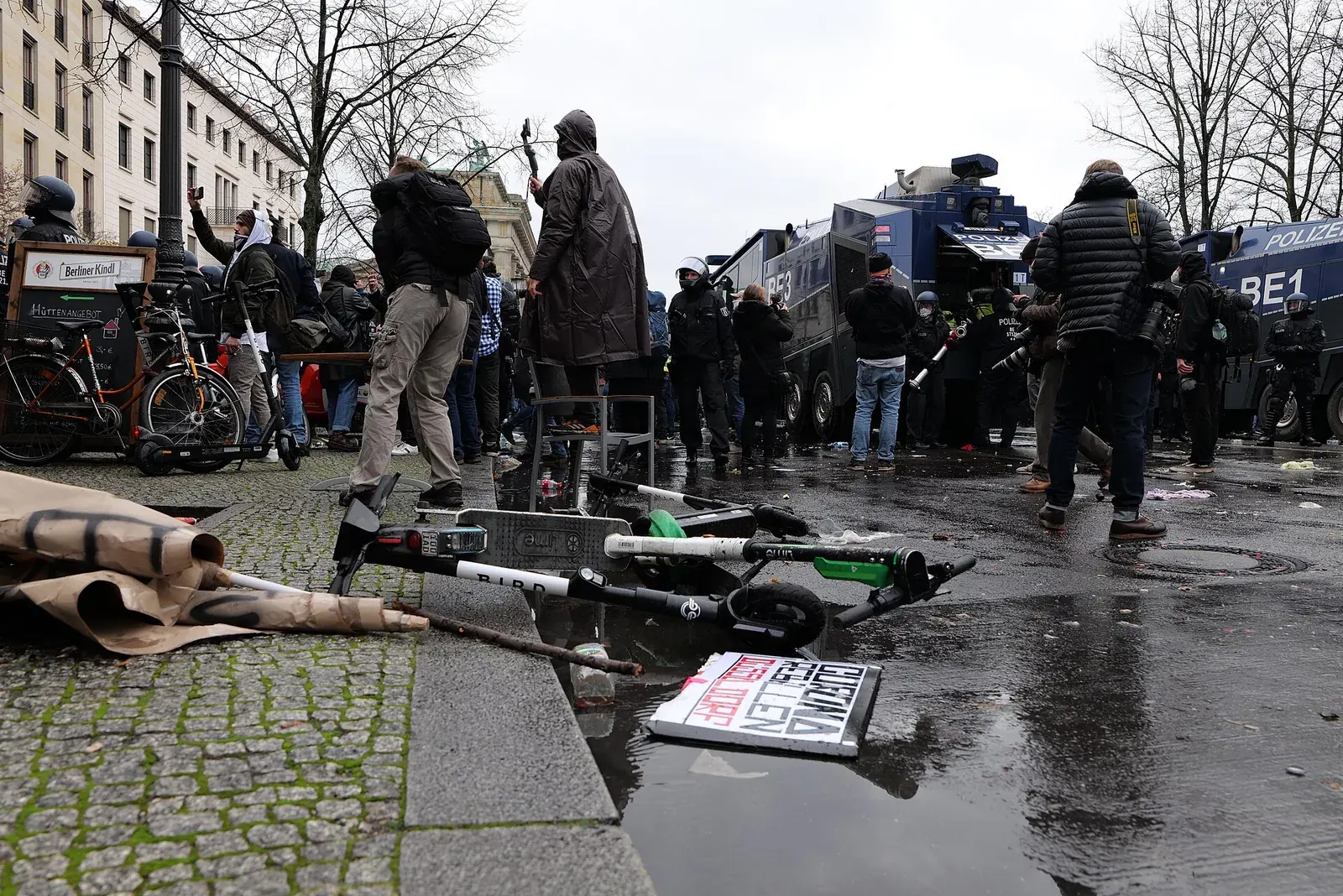
18 November 2020Leonhard Lenz · CC0 1.0
STATE & CITIZENSHow much coercion
Not another dividing line.
A process that listens to people, examines evidence and makes responsibility visible.
A proposal for an independent
Truth and Forgiveness Commission.
Some associate the COVID era with protection and solidarity. Others with loneliness, pressure, loss or exclusion. Some with both.
The idea behind this commission is not to pit experiences against one another, but to create a shared framework where difficult questions have a place too – and every claim can be examined.
When many institutions contributed to the same decisions, a particular credibility problem arises: examining the past must not be left solely to those whose actions are to be investigated.
The question is not only: “Was it lawful?” It is also: What was known? What alternatives were available? Who bore which burdens? Was new evidence acted upon? And what follows from this?
Explore the areas of investigation ↓Clarify individual cases. Identify structures.
Still assess responsibility individually.
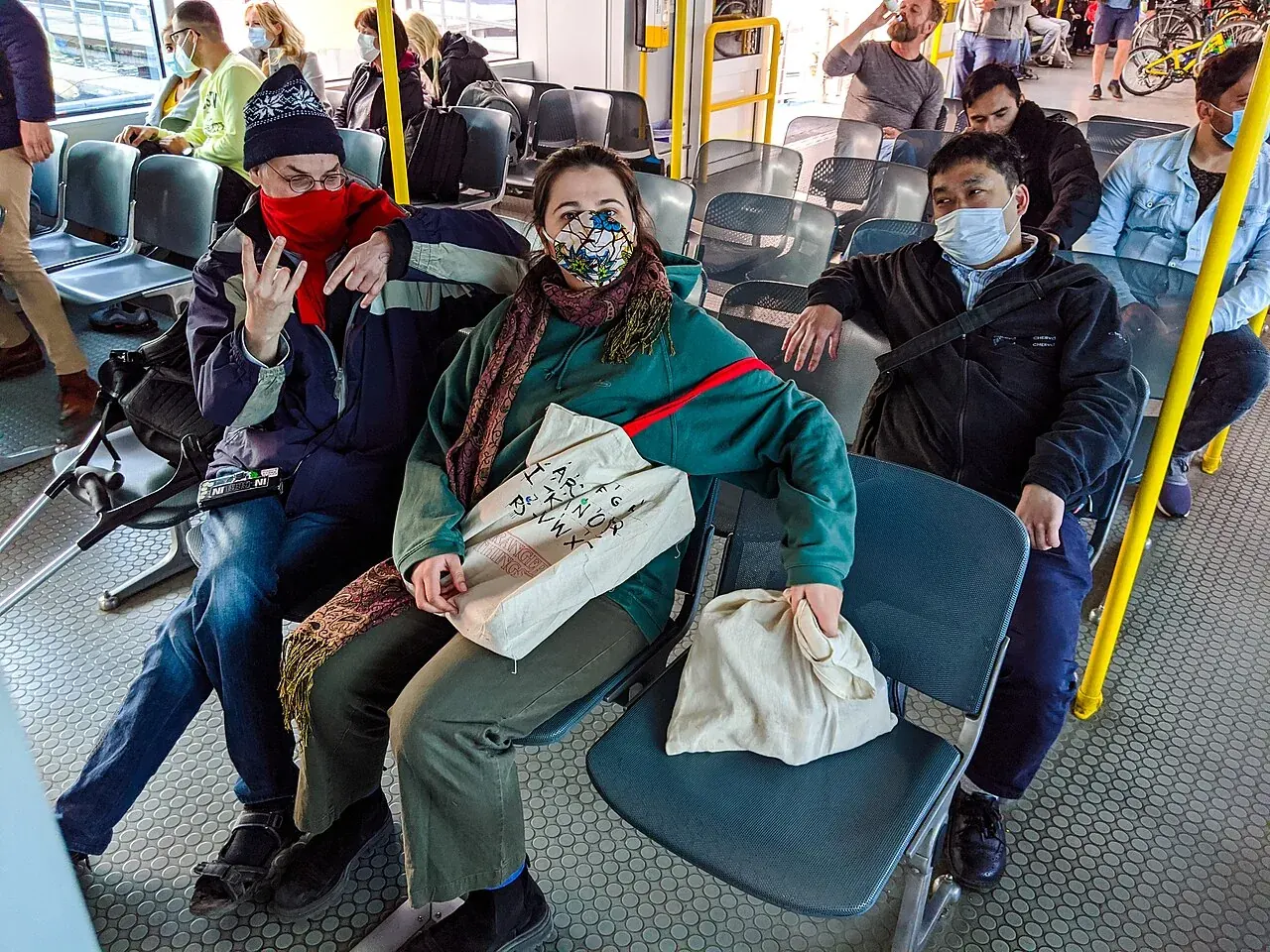
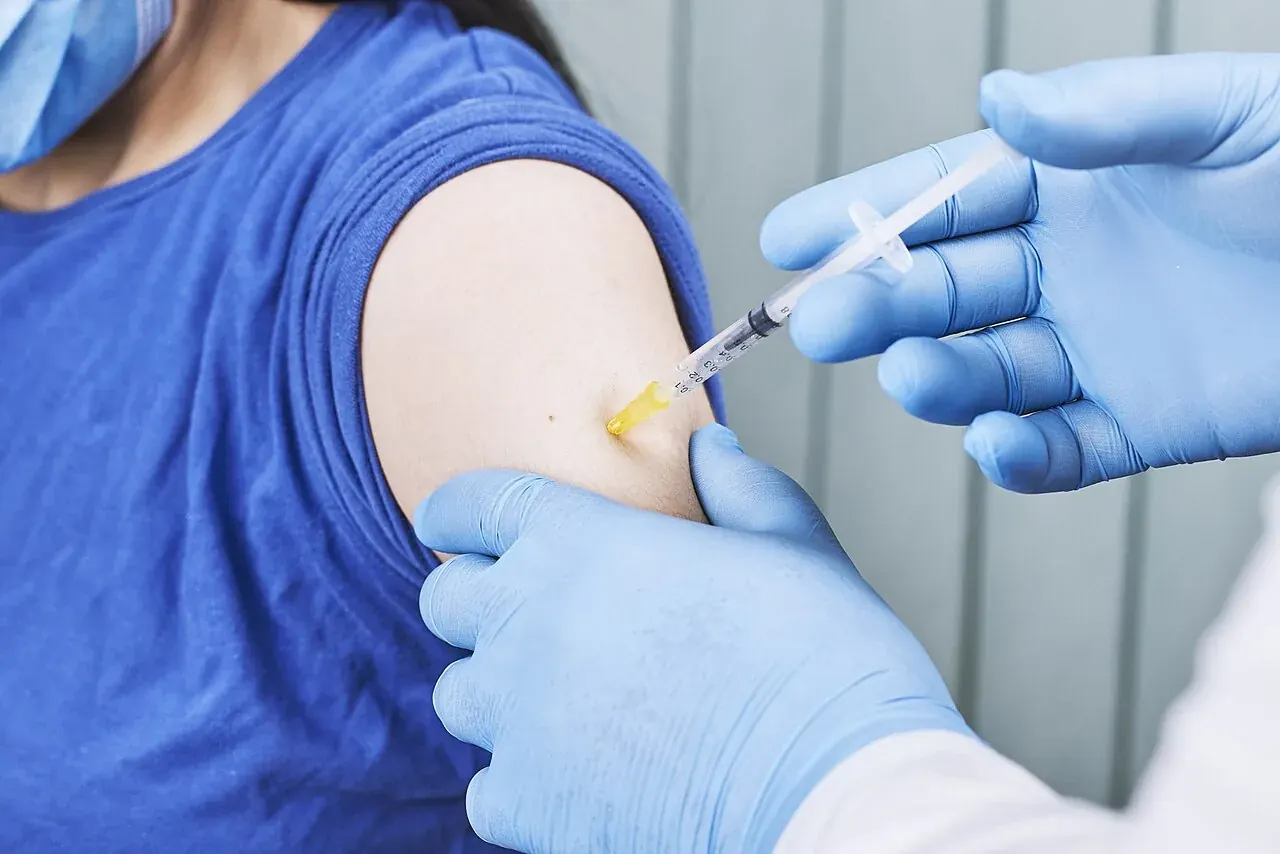
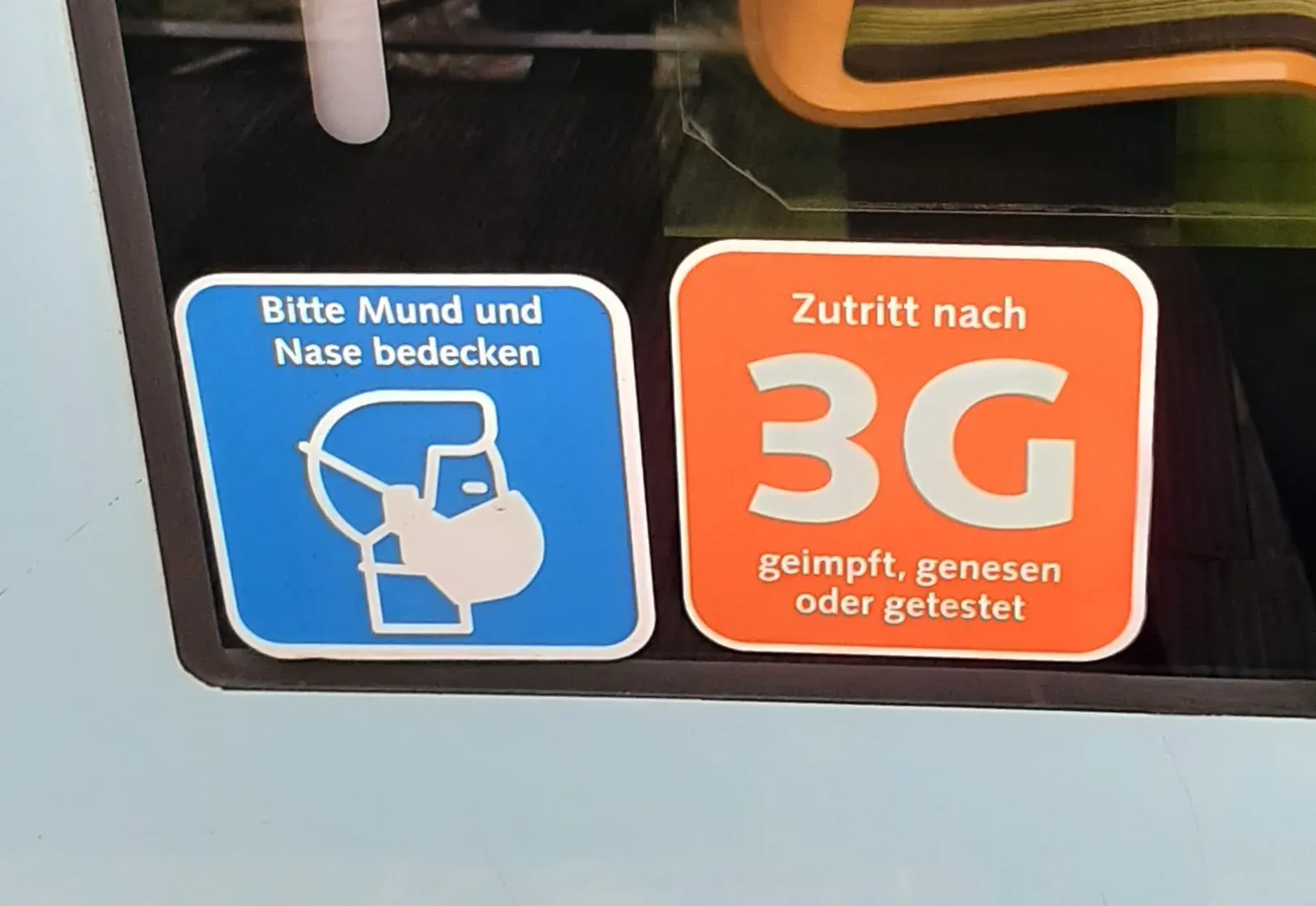
A water cannon. A mask. A syringe. A sign on a door. Images raise questions – they do not replace an investigation.
People pictured are not presented as responsible parties, victims of a legal violation or supporters of this initiative. The choice of images is not a legal or medical assessment.
Document experiences. Bring records and data together. Distinguish established facts, assessments and open questions. Publish exonerating findings too.
Mistakes made under uncertainty, poor judgment, organisational failure and personal misconduct are not the same. Every review must consider role, knowledge, discretion and timing.
Recommend recognition, support and reparation. Identify responsible bodies. Propose reforms against which society can measure itself next time.
No one has to forgive. No one has to waive their rights.
And no one receives a free pass simply for giving evidence.
Eight proposed areas of investigation. Each involves specific questions, potential evidence and rules for a fair review.
Which interventions were necessary? Where were limits crossed?
What protected children? What burdened them? What could have been done differently?
What was known? What was said? How were people who suffered harm treated?
Who was allowed to participate? Who was left out? On what grounds?
How can infection control and human closeness be considered together?
Could doubts be voiced? Was uncertainty made clear?
Who bore the costs? Who received support? What interests played a role?
Who decided? Who provided oversight? Where were corrections missing?
What could be known at the time? Which alternative was available? What do we know today? What remains open?
After apartheid, South Africa created the Truth and Reconciliation Commission: a public space for victims’ testimony, investigation and questions of responsibility. [1]
The 1995 Act linked the investigation of gross human rights violations with rehabilitation, recommendations for reparation and a special amnesty process. [2]
Rather: a deeply rooted system of injustice required society to examine its past alongside individual responsibility. Participation in institutions did not replace examination of specific conduct.
Amnesty required an individual assessment of statutory conditions – including full disclosure of relevant facts and a political connection to the act. It was not a blanket acquittal. [2]
A commission does not automatically make a review complete. As recently as 2025, South Africa established an inquiry into alleged interference and delays in prosecuting apartheid-era crimes. Recommendations need implementation; truth must not replace continuing legal accountability. [9]
The COVID era and apartheid are not being equated. What is adopted here is the idea of a fair, public process for examining the past – not the historical judgment or South African amnesty law.
Participation, yes.
Self-oversight, no.
All relevant groups in society should be able to contribute. But this does not mean that every institution involved has a say in the assessment of its own conduct.
The proposal therefore separates two levels: a broad public forum and an independent investigative body. They work together but have different tasks.
Affected people and social groups raise questions, are heard, propose topics and take part in public debate.
Participation. No control over findings concerning oneself.An independent body examines sources, hears opposing views and takes responsibility for transparent findings – supported by specialists and safeguards for those affected.
Independent. Conflict-of-interest rules. Minority opinions.Not a definitive membership list. A proposal for perspectives that should not be missing.
People with the effects of infection, alleged harm from measures or possible vaccine injuries; bereaved families and representative groups.
Children and young people in age-appropriate ways; parents, people needing care, people with disabilities and their representatives.
Clinicians and researchers from different disciplines; diverse, reasoned perspectives and methodological expertise.
Legal expertise, independent human and civil rights organisations, philosophical and religious groups.
Employees, trade unions, self-employed people, businesses and social organisations with different experiences of the crisis.
Parliaments, administrations, police, the judiciary and media as information providers and participants in public dialogue; no decisions on their own affairs.
Open selection. Public criteria, nominations and hearings before appointment.
Open interests. Disclose roles, funding, relationships and one’s own previous decisions.
Clear boundaries. Rule out bias. No instructions from government, parties, donors – or initiators.
Verifiable work. Make sources, methods, uncertainties, dissenting views and corrections visible.
Document experiences.
Listen to people. Examine evidence.
A proposed six-step process. Not the loudest voice, but the most carefully reasoned argument should prevail.
Publicly define the period, topics, selection rules, budget, data protection and legal limits of the investigation. Involve affected people in this preparation.
Collect lawfully available records and data. Document provenance, completeness and changes. Keep gaps visible.
Offer voluntary hearings with advice and support. Never impose publicity against protective interests or without a sound basis.
Bring testimony, documents and data together. Hear people facing allegations and consider their counterevidence. Distinguish knowledge at the time from knowledge today.
Present established facts, assessments and open questions separately. Record dissenting views and allow corrections.
Recommend recognition, support, reparation and reforms. Request reasoned responses from the responsible bodies and publicly track implementation.
Source → Context → Counterevidence → Hearing → Reasoning → Opportunity for correction
Personal accounts and statistical statements serve different purposes. Neither should replace the other without examination.The existing commission brings together 14 members of parliament and 14 external experts. Its report is due by the end of June 2027. Regional public dialogues have been announced for autumn 2026. [4]
It would be wrong to claim that no review is taking place. The question here is whether an additional truth process is needed that is institutionally independent and consistently focused on affected people.
See the existing commission ↗Strength: Give affected people space, investigate institutional patterns, and publish reasoned findings and recommendations.
Limitation: A private initiative has no special coercive powers. Access to records, binding participation and protective rules would need legal clarification. No judgments or automatic compensation.
Methodological precedent: OHCHR guide. The specific design here is an independent proposal. [3]
Strength: Members of parliament and external experts work across disciplines on policy recommendations. Hearings and dialogues can bring in different perspectives.
Limitation: An inquiry commission is neither a court nor an investigative committee with its special powers to take evidence. Its mandate and institutional setting are parliamentary.
Basis: section 56 of the Bundestag Rules of Procedure; see the Bundestag for the specific COVID commission. [5] [4]
Strength: Parliamentary oversight with evidence gathering under Article 44 of the Basic Law. Suitable for investigating specifically defined actions of the state.
Limitation: No criminal convictions by the committee. Courts remain independent in their assessment of the matters investigated.
Basis: Article 44 of the Basic Law. [6]
Strength: Independent, legally binding decisions under the applicable procedural law.
Limitation: A specific legal dispute is not automatically a comprehensive societal review. A commission, in turn, cannot overturn a judgment or replace a court.
Judicial independence: Article 97 of the Basic Law. [7]
It cannot compel disclosure of records, issue binding summonses, promise immunity or determine claims. Your own appeal and limitation periods continue to run. Anyone whose testimony could expose them to legal liability needs independent advice before speaking. [8]
But we can create conditions in which people can speak to one another again.
12 questions
For questions and suggestions about the concept, you can contact us at info@restart-democracy.org. This does not constitute registration, membership or formal case intake.
There is no registration form or protected reporting channel. Please do not email sensitive documents. Your own procedural deadlines continue regardless of any contact.
No matching question found. Try a shorter search term.
No body established yet. No case intake yet.
A basis for a serious discussion.
Do you have questions about the concept, suggestions to share or an interest in contributing? Write to us directly.
info@restart-democracy.orgContact about the concept, not formal case intake. Please do not initially send health data, confidential files or information about third parties. Privacy information
A concise concept text covering the mandate, participation model, procedural rules and unresolved founding questions. For sharing and discussion.
Download directly in your browser. No registration.Operator and mandate · independent appointments · funding · participation and protection of affected people · data protection and archives · relationship with existing bodies · enforceability of implementation
The historical precedent and existing institutions are documented. The structure, working methods and principles of the proposed German commission are a concept – not a description of current law.
South African Department of Justice. Mandate, establishment and three committees of the Truth and Reconciliation Commission.
Promotion of National Unity and Reconciliation Act 34 of 1995. In particular sections 3 (objectives) and 20 (individual conditions for amnesty).
Office of the UN High Commissioner for Human Rights (OHCHR). Rule-of-law tools for post-conflict states: Truth commissions. A methodological precedent, not a classification of Germany as a post-conflict state.
German Bundestag. Mandate, 14 members of parliament and 14 external experts, report by the end of June 2027; announced regional dialogue forums.
Rules of Procedure of the German Bundestag, section 56. Preparation of decisions on extensive and significant subject areas.
Basic Law, Article 44. Parliamentary evidence gathering; courts remain independent in their assessment.
Basic Law, Article 97. Judges are independent and subject only to the law.
Code of Criminal Procedure, section 55. Right to refuse to provide information in criminal proceedings. No automatic transfer of criminal-procedure powers to a private initiative.
Government of South Africa, statement of 29 May 2025. Establishment of an inquiry into alleged interference and delays in investigating and prosecuting apartheid-era crimes.
The photographs are individually documented. Their selection does not attribute responsibility, health damage or support for this initiative to anyone pictured. The images do not replace an investigation.
The adapted versions of the mask photograph and the 3G photograph are each covered by the ShareAlike licence specified for the original. This does not automatically extend to the entire website code. Personality rights and the specific use must be checked separately before publication.
Local image files: Four photographs are served as responsive WebP files from the same server as this website. No automatic image changes.
Work status: The photographs could not be downloaded into the working environment and therefore could not be embedded locally. Layout and operation can be checked separately; online image delivery in this file was not tested in the working environment. A notice appears if loading fails. For live use, the images can be hosted on your own server with correct licence information.
Web version 4.0; image concept 2.0; concept 1.0, as of 19 September 2026. This website describes a proposal. It is not a service offered by an established commission, a public authority or a submissions office. The social groups and institutions mentioned are not named as supporters, members or partners of this initiative.
The website code creates no accounts, trackers, analytics scripts, cookies or persistent browser storage. Images are served locally. Connections to external providers occur when you open their source links. Hosting processing must be documented before publication.
Before publication: The foundation details and privacy information are included under Legal notice and Privacy as working drafts. The original text, exact legal name, contact domain, registration details and hosting remain to be confirmed. Check image rights and embedding. The draft remains set to noindex,nofollow.
This website provides general information, not medical or individual legal advice. It does not suspend any deadlines.
Legal and privacy information is directly accessible here. Operator details and technical processing must be definitively confirmed before publication.

Working draft – approval required before publication.The foundation’s website is Restart Democracy. Name, address, representation, telephone number and email were cross-checked against its legal notice. The legal name given there is Rudulin Stichting; the visible operator identification on this website is Stichting Rudulin. Registration details, any additional mandatory information and the identity of the operator must be definitively confirmed before going live.
Represented by: Markus Bönig
Email: info@restart-democracy.org
Telephone: +49 40 53798 15 64
Foundation website:
restart-democracy.org ↗
Project: Wahrheitskommission.org
Source for name, address, representation, telephone number and email: Restart Democracy legal notice ↗, accessed again on 19 September 2026. No delivery test was performed. The operator must approve these details before publication.
This website explains a proposal for a Truth and Forgiveness Commission. It is not a public authority, an established commission or a formal submissions office. General information does not replace individual legal or medical advice.
Binding legal name and operator identity, register and registration number, any other mandatory details and editorial responsibility. The operator must approve the basic details and contact channels.
The image credits and licence information are listed separately on this page.
Working draft for the website’s actual technology.The seven topics follow the structure of Restart Democracy’s privacy policy; its references to voting and newsletters are not presented as features of this website. Hosting, email providers, image requests, legal bases and retention periods must be finalised before going live.
The intended controller is Rudulin Stichting, named in the Legal notice (operator identification: Stichting Rudulin), represented by Markus Bönig. Contact: info@restart-democracy.org.
The website code contains no user accounts, registration, voting, newsletter subscriptions or uploads. It sets no cookies itself and uses no analytics scripts or persistent browser storage. Search, topic views and concept downloads run in the browser.
Local photographs: Images load from the same server as this website. There are no automatic Wikimedia image requests. “Hide photographs” only changes their display.
Email: An email link opens your configured email application. Only when you send from there are your sender address, message and technical delivery details processed by your and the recipient’s email services. Clicking “Copy address” only writes the contact address to your clipboard.
Hosting: A future web server may generate connection and log data. The provider, data types and logging have not yet been specified.
The intended purposes are providing information and handling enquiries voluntarily sent about the concept. Contact should not create a newsletter subscription or membership. Article 6(1)(f) GDPR may apply to general enquiries; other processing requires an appropriate basis in each case. The final allocation remains open. GDPR ↗
The draft does not automatically transmit form data. In live operation, hosting and, for messages you send yourself, email providers may process technical data. These providers must be specified before publication.
When opening external sources, the visited providers’ privacy notices apply. This website’s image files are served locally.
Processing outside the European Economic Area is not categorically ruled out for external services. Providers, locations and any required transfer bases must be documented before publication.
The interactive functions of this draft do not persistently store case or user data. Specific deletion periods or transparent criteria must be set for web server logs and received emails. No blanket twelve-month period is copied from another service.
Subject to the applicable statutory conditions, you have rights of access, rectification, erasure, restriction, portability and objection. Consent can be withdrawn for the future. You also have the right to complain to a data protection supervisory authority. Basis: in particular Articles 15–21 and 77 GDPR.
Please do not send health data, confidential files or personal information about third parties to the general contact address. No protected case intake has been established.
Structural model, not a verbatim reproduction: Restart Democracy privacy policy ↗. Statutory text: GDPR ↗. Working draft as of 19 September 2026.